Tuesday, June 29, 2010

Tips For Convicing Young Children To Eat Organic Foods

By Tomer

Are you the parent of a young child who you would like to eat healthy? If you are, you may be interested in introducing your child to organic foods. Unfortunately, for some parents this can be easier said than done. If you are finding it difficult to introduce your toddler or preschooler to organic foods, please continue reading on, as a number of helpful tips are highlighted below.

One way to help your child get use to eating organic foods is to not tell them that they are doing so right away. Of course, you want your child to know that they are eating healthy and it is important for children to know what organic foods are, but you may want to wait until your child has already decided that they like eating organic, which they should. This is important for toddlers and preschoolers, as some may be turned away by the word "organic," especially if it is a new word for them. There is really no reason why you need to tell your child that they are eating organic soap, when you could just simply say soup.

Introducing your child, especially young children, to organic foods slowly is another great approach. If you are making the switch to organic foods, consider making it a transition, instead of a traditional switch. Although your child will likely not be able to tell the difference in organic foods, some children are able to do so. This is where there are benefits to slowly introducing a child to organic foods. For example, start with snacks or one meal a day, such as an organic breakfast.

Speaking of snacks, they are a great way to get your child excited about eating organic foods. Did you know that there are a number of organic snacks, many of which are designed for toddlers and preschoolers? There are. For example, Earth's Best Organic offers fruit snack bars, organic cookies, and organic crackers. Also, most of their products for toddlers and preschoolers come with Sesame Street themes. Snacks are a positive and fun way to introduce young children to organic foods. Also, consider offering your child a reward for eating all or most of their organic meals. This is great for picky eaters. What you can do is offer an organic cookie or an organic cracker as a reward if all or most of your child's lunch or dinner is eaten.

Another easy, yet fun way to get your child excited about eating organically is by letting them help you shop. This is ideal if you will be doing your shopping locally. When using this approach, it is best to visit a specialty organic food store, as no matter what your child chooses it should be healthy and natural. For smaller children, point them in the right direction. For example, set your child in the cereal aisle if you are looking to buy cereal, and so forth.

The above mentioned ways are just a few of the many ways that you can successfully introduce your child to organic foods. These approaches are ideal for those at the toddler and preschool levels. Many find that this is the age range that is most difficult to make the switch to organic foods, as many children at this age dislike change, especially where their food is concerned.
About the Author:
Want to learn more about fast ways to lose weight that work? Take a look here for the ultimate solution to your problems.i guarantee Your body will never be the same again!

What Chemicals Are Used With Organic Foods?

By: Sarmaad Amin


If you have done your homework then you already know that organic foods don’t contain harmful chemicals. They don’t have pesticides, herbicides, or very other chemicals
used in the fertilizer. That is all very important information because those are the driving points behind organic foods. Knowing you aren’t consuming residue from these chemicals is something that you should be very happy about.
The other benefit is that the soil, air, and land aren’t being harmed from the growth of them either. With conventional farming methods there are many chemicals used and the do end up on the final product as well as in our environment. However, you may be very curious to find out what chemical organic foods do use. You may be puzzled that I even mention it because some people assume that organic foods are completely chemical free. That isn’t always the case though.
The certification process for organic foods is very strict and those guidelines are in place by the USDA. A product has to be 95% organic in nature regarding how it is grown, processed, and handled to earn such labeling. You can be sure those organic growers out there also have to keep careful records and they have to comply with regular inspections. This is all to ensure that products that claim to be organic really are. It is to ensure they aren’t using any forms of chemicals that they shouldn’t.
With that being said, there are some types of chemicals that are allowed to legally be used for organic foods. It is also important to understand these laws vary by country. The USDA only has control of those which are grown in the United States. If you are very interested in the chemicals used for organic foods in specific locations you should be able to find such data online.
Getting the soil to be properly fertilized is crucial step when you want to be able to grow organic foods. There are some approved chemicals that allow this to be done without any harm. They include alfalfa meal, blood meal, bone meal, and gypsum. Of course they don’t have to be used if you have a compost collection that has been in place and plenty of materials that it offers that can be used as natural fertilizer.
There are certain forms of chemicals used to protect the foods as they grow. Neem is a very popular type of chemical used for organic foods. It comes from trees that are grown in India and it is a type of pesticide that works at a slow pace. It isn’t toxic in nature though to humans or animals. Nicotine Sulfate comes from tobacco and it is also a natural pesticide.
One chemical that is very common for organic foods is called Pyrethrum. It doesn’t kill insects but it does render them unconscious and dazed. It doesn’t have any long term effects
on them and it won’t harm people if they consume it.
Sometimes sulfur is used for organic foods as a natural type of preservative. This type of food can rot fast due to no wax or other preservatives placed on it.
It also helps to give fruits a nice color and to protect against mildew growth. It isn’t harmful though to humans or animals. It can be applied as a liquid or in a paste form. This is important for people to enjoy the organic foods longer and to appreciate the way that they look.
Before any chemicals are approved as acceptable to be used with organic foods they are carefully tested. This is why it is a long time span from when one is considered and when it is approved. There are many such chemicals in a testing pattern right now that could be introduced later on for organic food growth and processing.
About the Author:
Organic food becomes a good choice by more and more people. The Organic Grocer is an online organic food Sydney based retailer. They provide fresh organic fruit and vegetable. They delivery organic food penrith and organic food blue mountains.

5 Tips For Saving Money On Organic Food

By: Vallarie Thomas

Grow Your Own Organic Food
The best and the cheapest method for saving money on organic food
is to grow your own. Organic food offers you the best of natural, chemical free food that is both healthy and nutritious. The great thing about growing your own food is that it does not require much space.
You can even grow your own organic garden without having a garden at all. This is a real portable garden. It's easy to asemble and can be used in a variety of dwellings.

This is one of the easiest ways to grow your own food and save money. You can grow all types of vegetable and fruits even if you do not have the garden space. With this portable garden, as I call it, you have total control over the growing conditions.

The garden container can be placed anywhere that receives a reasonable amount of daylight. Just use organic seeds or plants with organic soil and you will get the full flavor and benefit of great organic food while saving money at the same time.
These type of containers can be placed on balconies, rooftops or any type of hard surface.This is just right for those who live in apartments with balconies or any place that does not have much yard space.
This is a super way to grow your own organic food and save lots of money.


Your Local Market

You can buy a wide variety of organic food at your local market and the prices may vary depending on your area but they are usually very good. Many of the local suppiers are the ones who supply your market with a wide variety of veggies and fruits and ths helps you as the customer becasue it keeps the prices down.

The Local Supplier

Buying your organic food locally is one way to ensure that you are getting the feshest food for you and your family. It's also a great way to support your local businesses. Because there is less transportation cost for the supplier we are able to get better prices for our food.

Farmers Markets or Farm Shops

The farmers markets are also a great way to save money on your organic food and you can usually get some great bargains. Usually, there will be several farmers together, all selling their fresh produce and you can buy a variety of foods and also buy in bulk. This helps out a lot, especially if you have a large family.
The farm shops are a great place to visit because you can actually see where the aninmals are being kept and you can see the crops that are being grown. Its a great place to take the kids and many of the farm shops will allow you to pick your own vegetables or fruits.

Local Box Schemes

For those who may not be able to get out of the house to shop for their groceries they can subscribe to an organic box scheme.
Subscribing to a box scheme means you can have your food delivered to your door on a weekly or bi-weekly basis. This way you can select your choice of whatever fruits and vegetables are in season.

These five tips for saving money on your organic food can enable you to save a considerable amount of money while you and your family enjoy the advantages and delight of eating organic fool.
For more information about growing your own organic garden visit:
http://www.organicgardenway.com/
About the Author:
Hello, I hope this article will be of some benefit to you in saving some money on your organic food shopping. I think it's a lot of fun growing your own organic food and certainly a money saver. I enjoy visiting the farmers markets and shops because they offer such a variety.
If you are interested in learning more about eating healthier, please visit at
http://www.organicgardenway.com/Healthy-Family-Cooking-and-Recipe-Guide.html

Why Organic Food Is Better For You

By: Ronnie Wilson
If you are like many other individuals, there is a good chance that you have heard that organic foods are healthier to eat. This may have caught your attention. If you are uncertain about making the switch to organic foods, you may be looking for reasons why you should. One of the most common questions asked is why organic foods are better? For a number of answers to that question, please continue reading on.
When it comes to organic foods, it is important to know that not just anyone can make organic foods. There are strict standards. Foods and organic food companies that are certified by the Quality Assurance International group (QAI) must undergo rigorous tests and meet very high standards. When this is done, all foods should be stamped with a Certified Organic by QAI sticker or label. This certification helps to give many comfort in knowing that the foods that they eat are truly healthy.
Another one of the many reasons why organic food is better for you is because it usually tastes better. This means that you and other eaters are more likely to eat more organic foods, as well as stick with organic foods or start a fully organic diet. These steps can help to improve your health. This is mostly due in part because vegetables and fruits are grown without the assistance of pesticides and other potentially harmful chemicals. Clean soil, which is required when growing organic foods, is likely to produce better results, which should mean better tasting food.
It has also been said that organic foods can help to lower the risk of cancer. Although some pesticides that farmers use are considered safe by many, there are still a number of risks, including a risk of cancer. This is alarming, but it is also something that many individuals are not aware of. Although the EPA does consider many chemicals, including weed killers and insect killers to be dangerous, they are still used on many of the foods, namely fruits and vegetables, that are sold today. This is not something that you have to worry about when buying organic foods. That is why many claim that organic foods can reduce your chances of cancer.
Although there are a number of benefits to eating organic foods, especially where health and wellness is concerned, many individuals are concerned with the cost. Yes, organic food does cost more money, but many still consider it to be well worth the cost. Some ask themselves if it is even possible to put a price tag on health. Even with the high costs of organic food, it is still possible to save money. You can do this by using organic food coupons, searching for organic food sales, and stocking up when you do find those sales. Many stores outline their weekly sales in store sale fliers or online. Organic food coupons can be found online or in weekend newspaper inserts.
Since there are a number of benefits to eating organically, you may be serious about doing so. If you are, you will find that you have a number of different options, in terms of organic food purchase points. Organic food, including fresh food, is sold online and locally. Your local options tend to include the organic food section at your supermarket or a specialty organic food stores.


About the author:
Ronnie Wilson has many articles that you will want to check out at http://www.bighealtharticles.com and http://www.articleinferno.com

Sunday, March 28, 2010

Japanese Green Tea - A Look At Each

By Marry R

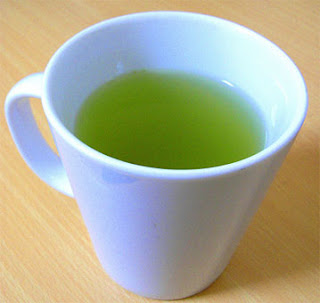
Japanese green tea is likely to be the best choice in Green tea available. It is a drink that provides you with numerous health benefits, such as weight loss, disease prevention, lowering bad cholesterol levels and much more. Green tea was not always grown in Japan. In fact, its origins come from China and only travelled to Japan in the 12th century by the hand of a Buddhist monk named Esai. This monk started growing and processing this tea in Japan obtaining new flavours and aromas.

Today, you will find that there are four main types of Japanese green tea available, each with its particular character and yet still full of the antioxidants that make this tea such a great addition to your daily diet.

There are four types of Japanese Green Tea. They are:

- Gyokuro Tea is a tea with a delicate processing method, being grown in the shade so that a higher content of chlorophyll is obtained. In the end, you get a rare and expensive tea, but with a wonderful sweet taste and a low caffeine content.

- Matcha Tea is the result of reducing Gyokuro tea to powder and then brewing it to make you a tea rich in antioxidants. Used also in several recipes for a green tea flavour, this tea offers you a whole new experience in green tea brewing and drinking.

- Sencha Tea is best described as an everyday tea to accompany meals. It brews a yellow greenish coloured tea with a floral taste.

- Bancha Tea may also be viewed as the everyday drink. Inexpensive, rich in antioxidants and woody in flavour, Bancha is available as Hojicha or as Genmaicha, a variation of this by mixing it with roasted rice.

Now that you have learnt about each type of Japanese Green Tea, give them a try and enjoy and healthier lifestyle. Let this wonderful coffee alternative make its way into your home and introduce it to your family and friends.

Learn more about the potentials behind each of these Types of Tea.
Find tips on how to brew each tea and make your tea experience extraordinary with:
http://www.therighttea.com/.

Keep Vegetables Fresh The Natural Way

By Mark Gold


Who likes to have a brown, wilted salad, or to bite into a mushy spot on a red, juicy tomato? The answer is obvious, no one does! In order to retain the key nutrients in every vegetable, and to ensure a ripe, crunchy bite every time it is absolutely essential to keep vegetables fresh. In order to avoid wasting vegetables and keep them crisp and full of flavor there are all kinds of things you can do, here are some useful suggestions:

Firstly it is important to note that there are three temperature zones in the refrigerator;

The 'humid zone' is the bottom area with the crisper drawers, which keeps a humid environment to help keep produce fresher, but it can accelerate spoilage if the humidity is too high. Some refrigerators have vents to regulate the humidity.

The 'moderate zone' is the middle and bottom shelves, closer to the front.

The 'cold zone' is the top and middle shelves, closer to the back. Here the temperature can dip below 34F.

Check vegetables regularly for signs of mold or rot and remove any that are bad. Keep mushrooms in a brown paper bag with the top closed slightly. Keep eggplant, onions and squash on a counter or shelf, they don't do well in the cold. Keep them in a covered container. Put an apple in the bag with potatoes and store them in a cool, dry place, this will keep them from rotting too quickly. Put green leafy vegetables, such as lettuce, in plastic bags and put a moist paper towel in the bag to retain freshness and absorb excess moisture. Put vegetables with the same storage guidelines together. For instance green onions, lettuce and spinach require lower humidity and should be kept in one area of the refrigerator, while asparagus, cauliflower, and celery should be stored in a crisper drawer.

Refrigerated Fresh Vegetables

Cauliflower, broccoli and Brussels sprouts keep well in plastic storage bags in the refrigerator. They will stay fresh for up to five days. Cabbage unwashed, uncut and wrapped in plastic will last up to 10 days.

Turnips, carrots and beets do well in the fridge in perforated plastic bags. Remove the leafy tops because they will draw moisture out of the root. The holes allow air to flow without letting moisture escape. These should last up to two weeks.

Wash vegetables just before you are ready to use them, this will help to keep down bacterial growth.

Vegetables like cucumber, beans and artichokes do well in plastic in the fridge. Peppers should be stored in a paper bag in the bottom crisper drawer.

Non-refrigerated Vegetables

Corn on the cob is the only vegetable that should not be stored at all, it should be husked and eaten the day it is picked. If that’s not possible, blanch it for two minutes and cool it with cold water and store it in a plastic bag in the fridge. The freshness will last for two or three days.

Keep tomatoes at room temperature and away from direct sunlight, they should keep for three or four days. Wrap sliced tomato in plastic and keep in the fridge.

A hanging basket is perfect for onions, whereas a dark place is best for garlic.

Without doubt the best way to keep vegetables fresh is a product called eggstrafresh®. It is scientifically proven to prolong the life of almost all foods by dramatically reducing oxidation and retaining moisture. Simply place one eggstrafresh® in your refrigerator and one in your pantry. It’s that easy! To find out more about this exciting new way to preserve food, visit http://www.eggstrafresh.com/.

About The Author
Mark Gold has more than 27 years of experience in the Food and Beverage Industry. He is also involved in Business Development for C-5 Biotechnologies, LLC.

The author invites you to visit:http://www.eggstrafresh.com

Saturday, March 27, 2010

21 Tips For Cheap Healthy Way Of Living

By: Dr Gerald Coy

Most people want to stay healthy or become healthier. But a lot of us make bad choices in our daily lives. We make these decisions from our desire for pleasure and how we have set our priorities. Few people are willing to make changes in their lives, but here are a few simple suggestions to make life a little better.

Doing the right thing starts in you "head", how you think of things and how you see life around you. Take into consideration:

1. Not looking for the "closest" parking space and "enjoying" a little walk through the parking lot as a chance to get a little exercise,
2. Get a "to go" box and put ½ your sandwich or lunch before you start eating thus reducing your intake by that amount.
3. Another way is to "share" a meal with a loved one or friend. It is like getting two meals for the price of one.
4. Order "water" with your lunch. We consume too much sugar, plus sometimes the cost of a drink is almost 1/3rd bill. $2.00 – $3.00 for a glass??? You save money that can be used for better things.
5. Eat earlier! Eating late and then going to bed shortly after is not good for your digestion and does not allow for the body to burn off calories that end up being stored. If you like to eat out, there are a lot of savings by eating during "early dinner time" where there are many specials.
6. There is so much truth about walking around the perimeter of the market to get you milk, meats, eggs, and fresh fruit and vegetables. What is in the middle are a lot of things you really do not need or want.
7. Packaged meals have more sodium, more preservatives and other things that are not the best for you to have in your diet.
8. LEARN TO COOK! Most people do not even know how to boil water. There are so many good things you can do with just a little effort. Learning to make a good salad, or steaming some vegetables with a dash of flavoring are not difficult.
9. PLAN! There is an old saying about not shopping when you are hungry with a lot of truth to it! But if you make plans for your meals, you can drop by and get that fresh vegetable or that piece of fish or chicken to make a good meal and not just have a hamburger, or pre-package meal.
10. NO! You do not have to finish everything on your plate. When you are full, STOP EATING. If you take smaller proportions you can prevent having too much food in front of you.
11. Use a salad plate for your meal, it fills faster and looks more complete.
12. Drink a glass of water before you start eating helping to fill your stomach
13. Make sure you are getting a balanced diet or take supplements to complete what your body might be craving for making you hungrier than you really are.
14. Learn to become more active with after meal walks with someone you enjoy, walk the dog, or join a gym (but make sure you use it!).
15. Get your rest. The body needs down time.
16. Reduce stress by avoiding irritations when you can.
17. Become a positive thinker, read more and do more meditation or involve yourself with your faith to find more comfort.
18. Watch less news, read fewer papers, and go to movies that make you feel good. There are enough challenges in life without listening to everyone else's problems.
19. Make friends and enjoy them. Spend time with more positive people, but that means you need to be positive too.
20. Do not spend a lot of time in traffic, but if you do, enjoy relaxing music, not rock and roll that keys you up to where you will be more stressed.
21. Love life for what it is by enjoying the day for what it offers, not what you did not get.
All of this will bring you a happier and healthier life. Just try to add one of these things each week. Within 5 months you will be doing all of them.

Enjoy your life, it is the only one you get, and YOU are responsible for it. If you are not happy, YOU need to change, not someone else.
About the Author:
Ai min - They are your gateway to a healthy lifestyle and so you would want to get your dose of transfer factor plus now!